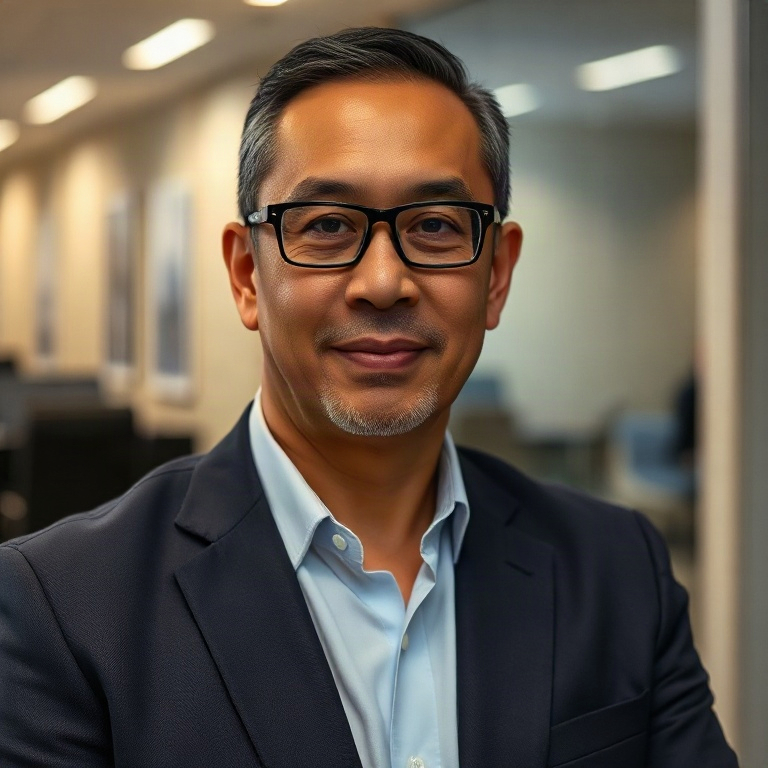
Daniel Tan@danielartanar·
Before the call published bilateral near Singapore ✅
Daniel Tan is a yacht finance counsel based in Singapore, Singapore, advising through Global Riviera Group. This profile serves affluent and high-inte…
Daniel Tan is a yacht finance counsel based in Singapore, Singapore, advising through Global Riviera Group. This profile serves affluent and high-inte…
Turn on to load the assistant and chat (voice optional). Stays off until you enable it.
Yacht Finance Counsel · Global Riviera Group
Daniel Tan is a Yacht Finance Counsel · Global Riviera Group based in Singapore, Singapore. Recent signal: Yacht Finance Counsel · Global Riviera Group. Recruiter fit is 91%. Strong keywords: daniel, tan, Global Riviera Group.
Yacht Finance Counsel · Global Riviera Group
This profile is positioned as a live professional identity, not a static resume.
Singapore, Singapore
Contact stays protected until unlock when the profile is configured as private.
The CV card uses profile data, skills and experience to show recruiter fit before the full document opens.
Before the call published bilateral near Singapore ✅
A quiet shift happened in yacht finance this quarter, and most owners haven't noticed yet. For years, the conversation in Singapore revolved around interest rates and loan-to-value ratios. Those still matter. But the clients I now sit across from—founders, family offices, second-generation wealth—are asking a different question first. Not "what does this cost per month," but "how does this asset behave on my balance sheet over ten years?" That's a more sophisticated conversation, and it changes how we structure deals. The New Language of Marine Asset Finance 1. The asset is the argument A yacht is no longer treated as a depreciating toy. For the families I advise, it's a floating asset with real residual value—if it's specified, maintained, and documented correctly. Lenders are paying closer attention to build quality, survey history, and intended usage patterns. A well-documented vessel with a clear maintenance log is increasingly financeable on better terms than one that's been run hard and patched quietly. 2. Structure follows use Charter-ready yachts, private-only vessels, and hybrid models each demand different financing structures. The mistake I see most often is treating them the same. A yacht that will generate charter income can support a different repayment profile than one that stays in private berth. The smartest owners in Singapore are now modelling both scenarios before they even approach a lender—and that preparation shows up in the terms they secure. 3. The profile behind the purchase Lenders underwrite people as much as assets. A clear ownership structure, transparent source of funds, and a documented history of financial discipline matter more than a glossy brochure. In my practice, I've seen deals move forward smoothly when the owner's financial story is told cleanly—and stall when it isn't. 4. Currency and jurisdiction still matter With the region's capital flows, we're seeing more multi-currency structures and cross-border considerations than ever. A yacht financed in Singapore dollars but used across the region needs a lender who understands that nuance. The right structure can reduce friction—and the wrong one can create headaches that surface years later. None of this is about predicting rates. It's about building a financial framework around an asset that's meant to be enjoyed, not just owned. When the structure is right, the yacht feels lighter—and so does the balance sheet. For owners and their advisors, the takeaway is simple: the conversation has moved beyond the monthly payment. It's now about how the asset fits into a broader picture of wealth, risk, and legacy. If you're structuring marine finance in the region, the fundamentals are shifting—and the owners who understand that will be the ones who navigate smoothest.
Most viewed and engaged posts this week